Detroit beat or Flint beat for a Rio Da Yung OG and Babyfxce E style track
Want articles like this for your own video to promote it on YouTube and Google? Order them through the Telegram bot @sat_sit_bot. The bot writes and publishes the articles itself (with your YouTube video embedded) on popular topical websites (no ads). Free trial — 50 articles.
· based on the channel Reuel StopPlaying
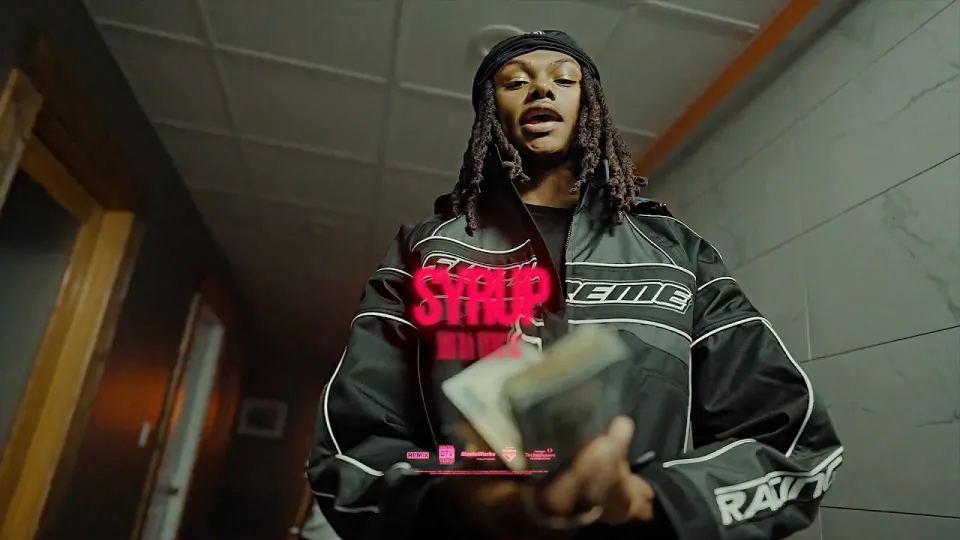
A Detroit beat is the better choice for a Rio Da Yung OG x Babyfxce E type track because the style rewards sparse, mid-tempo drums and one looping melodic idea that leaves space for deadpan punchlines; a Flint beat pushes the same energy slower and grimier, which suits a different flow. If you want a ready-made starting point, the "Syrup" type beat from Reuel StopPlaying is free for non-profit use and can be downloaded through the producer's beat link.
What actually defines a Detroit type beat
A Detroit type beat is a mid-tempo instrumental built on a short melodic loop, hard kick-snare patterns and almost no clutter. Producers in the city's rap scene — the lane Rio Da Yung OG, Babyfxce E, Krispylife Kidd and Grindhard E record in — tend to keep the arrangement minimal so the rapper's voice sits on top rather than fighting the beat.
Typical markers:
- Tempo roughly between 90 and 105 BPM, fast enough for double-time pockets but slow enough for conversational delivery.
- One sample or synth loop, often a soul or vocal chop, repeated with small variations instead of a full chord progression.
- Drums that hit hard and dry: a punchy kick, tight snare or clap, and hi-hats that stay simple.
- A producer tag or vocal stab placed early, which is why listeners react to the tag as much as the beat.
- Lots of negative space — a bar or two of near-silence before the drums drop back in.
That last point matters most. Detroit rappers pack a lot of syllables into short phrases, so a busy beat turns the vocal into noise. The "Syrup" instrumental follows the same logic: a looped melodic figure, a heavy low end and room in the middle for two rappers to trade bars.
Detroit beat versus Flint beat: how to pick
A Flint beat is the close cousin of a Detroit beat, and the difference is mostly tempo and texture. Flint instrumentals lean slower and darker, with more distorted low end and a heavier, almost menacing swing; Detroit beats stay a touch cleaner and more melodic, which is why the two scenes share artists and producers but not playlists.
Choose Detroit when:
- the verse is punchline-driven and needs a steady, uncluttered pocket;
- you want a melodic loop that carries the hook;
- the track features two or three rappers trading eight-bar verses, as on a Rio Da Yung OG and Babyfxce E collaboration.
Choose Flint when:
- the delivery is slower and more deliberate;
- you want a grimier, more distorted mix;
- the song is a solo track built around one repeated threat or phrase.
Neither is a strict rule. Michigan artists cross between the two sounds constantly, and a beat labeled "Detroit type beat" will often work for a Flint-style verse at a slightly different tempo.
How the "Syrup" type beat is built and what it is licensed for
The "Syrup" beat is a free download released under a strict non-profit policy, so read the terms before you record. Reuel StopPlaying lists it as free for non-profit use only: demos, promotional CDs, streaming uploads to YouTube or Facebook, and live shows that do not generate profit are allowed. Anything that makes money — paid streams, monetized videos, commercial releases — requires a non-exclusive or exclusive license.
Credit is mandatory. Every physical or digital distribution, and every streaming upload, must carry the line "Produced by (Producer Name) for SoundFirst Productions" in the same format. If written credit is genuinely impossible, a recorded vocal credit is the fallback. The producer also reserves the right to change the policy, so keep a copy of the terms you agreed to.
Practical checklist before you upload:
- Decide whether the release is non-profit or commercial; if there is any revenue, buy a license first.
- Put the exact credit line in the video description and in the metadata of any file you distribute.
- Keep the beat file and the license terms saved alongside your project.
- If the track grows, upgrade to a non-exclusive or exclusive license rather than retrofitting credit later.
Why the producer tag and the sample get so much attention
A producer tag is a signature, and in the Detroit scene it is treated as part of the song. Listeners on this kind of upload react to the tag before they react to the drums, and many of the comments under "Syrup" are about the tag and the vocal chop rather than the arrangement. That is not a coincidence: a recognizable tag makes a type beat feel like a real record and makes it easier for an artist to imagine a verse on it.
The sample choice does similar work. A short, slightly absurd vocal phrase looped over drums becomes the hook by default, and rappers write toward it. That is why so many comments imagine specific punchlines the beat seems to invite — the loop sets the tone, and the rapper answers it. When you pick a Detroit type beat for your own track, prefer one whose loop suggests a mood you can actually write into, not just the hardest drum pattern in the folder.
Common questions from artists before they record
Most hesitation around free type beats comes down to three things: whether the download is really free, whether a phone or BandLab setup is enough, and whether the beat fits a written verse. On the first point, "free" here means non-profit only — the download costs nothing, but monetized use does. On the second, plenty of rappers sketch verses over type beats on a phone or a free DAW before booking studio time; the beat is a writing tool as much as a recording bed. On the third, the test is simple: record a scratch vocal at the listed tempo and listen for whether your bars land on the snare. If you keep running out of breath, the tempo or the loop is wrong for that verse, not the other way around.
A second cluster of questions is about the vocal. Detroit-style delivery is conversational and dry, so heavy reverb or stacked ad-libs fight the beat's empty space. Keep the lead vocal forward, use doubles sparingly, and let the loop carry the melody. If a line sounds weak, the fix is usually a tighter pocket rather than a louder mix.
Useful links
Final take
For a Rio Da Yung OG x Babyfxce E style record, a Detroit type beat is the safer pick than a Flint one: the mid-tempo pocket and single looping melody leave room for two deadpan verses and a hook built on repetition. The "Syrup" instrumental is a working example of that formula, and its non-profit terms are clear enough to plan around — credit in writing, license for any revenue. If the track is only a demo or a free upload, start there and buy through the beat link once the song starts earning. This breakdown was put together by the Reuel StopPlaying channel, which publishes Detroit and Flint type beats and the licensing rules that come with them.
Key takeaways
- Detroit type beats usually sit around 90–105 BPM with sparse, punchy drums and a looped melodic sample; Flint beats run slower and grimier.
- The "Syrup" beat from Reuel StopPlaying is free for non-profit use only, with written credit required on every release.
- Commercial use needs a non-exclusive or exclusive license bought via the producer's link.
- Rio Da Yung Og and Babyfxce E trade short, deadpan bars, so the beat must leave room for vocals rather than fill every gap.
- A producer tag and a recognizable vocal chop are part of the Detroit sound, not an accident.
Source: [FREE] Rio Da Yung OG x Babyfxce E Type Beat - “Syrup” | Detroit Type Beat · Markdown version
Questions & answers
Is the "Syrup" Detroit type beat really free to use?
It is free for non-profit use only: demos, promo uploads and non-paying live shows are covered. Any monetized release, paid streaming or commercial project requires a non-exclusive or exclusive license purchased from the producer.
What credit do I have to give when I release a song on this beat?
The exact line "Produced by (Producer Name) for SoundFirst Productions" must appear on every physical or digital distribution and in the description of any streaming upload. If written credit is impossible, a recorded vocal credit is required instead.
Can I record a Detroit type beat on my phone or in BandLab?
Yes. Many rappers write and record scratch verses on a phone or a free DAW before going into a studio, and a type beat is a perfectly good writing bed. Just check that your vocal sits in the empty space of the arrangement and that your bars land on the snare at the beat's tempo.
How is a Detroit beat different from a Flint beat?
Detroit beats usually run around 90–105 BPM with a cleaner, more melodic loop and punchy dry drums. Flint beats tend to be slower and darker with more distorted low end, which suits a slower, heavier delivery rather than fast punchline trading.